Portfolio
This portfolio brings together selected work from over a decade across food, community, education, and research.
It spans hands-on cooking and farm projects, teaching and facilitation, and systems-level work shaping how food is produced, shared, and accessed. Each section reflects a different piece of the food system puzzle, and how my path has informed the work I do today.
You can also view my resume here.
Browse by Category
Cooking
Culinary Foundations (2012–2014)
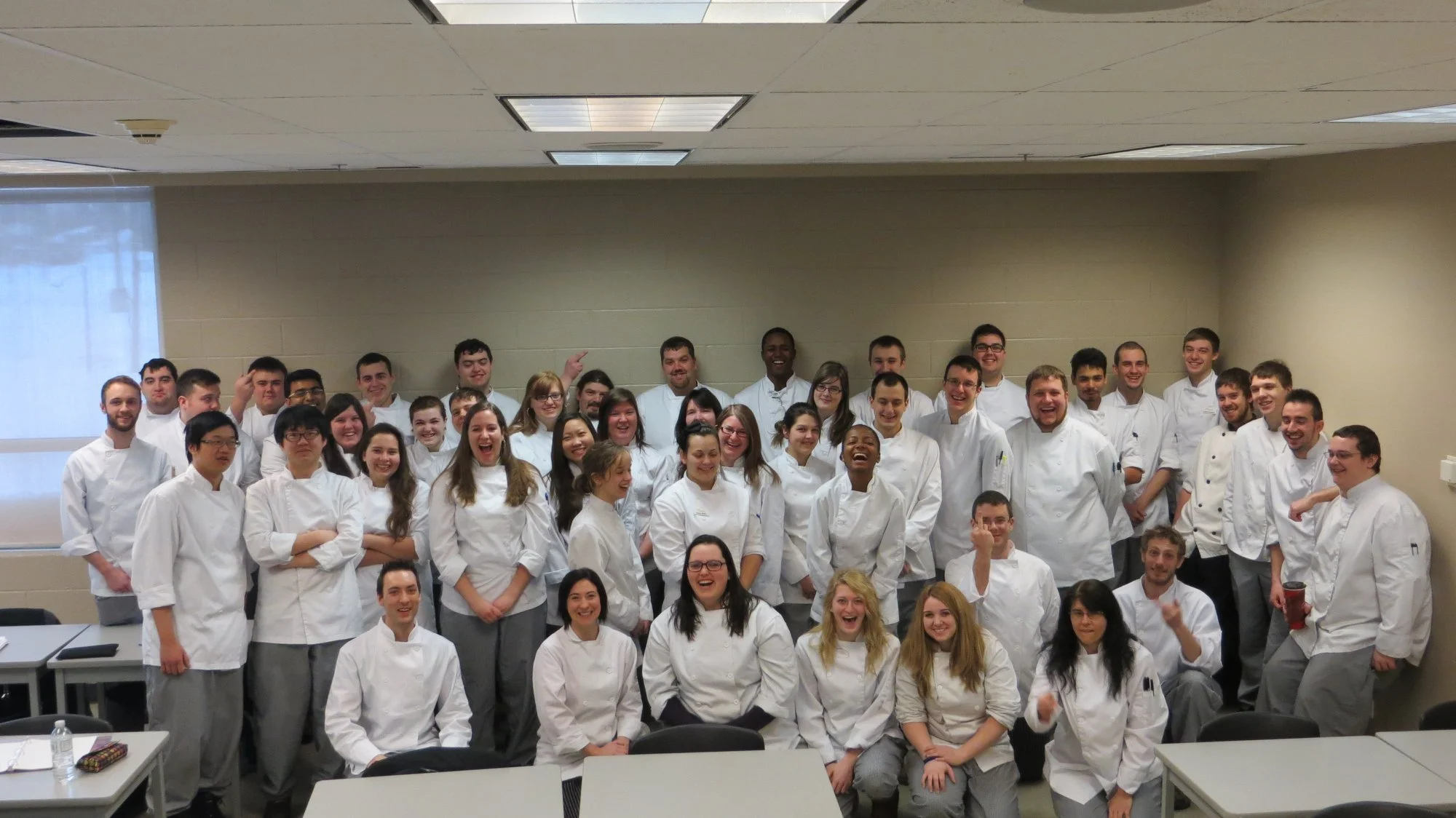
My formal cooking journey began in 2012, when I enrolled in the Culinary Management program at St. Lawrence College.
Those 2 years of my life were the most fun I’d ever had. Everyday at school felt like a playground, learning from Chef Professors who has travelled all around the world. I surprisingly took very well to ‘food math,’ and keeping track of food costing/margin calculation. Something I’ve become quite passionate about wanting to help restaurants know their margins
Walt Disney World Culinary Internship (2013)

During the summer between my first and second year of cooking school, I completed a culinary internship at Walt Disney World. The experience offered a crash course in scale, speed, and systems-driven food service.
I worked at Casey’s Corner, one of the busiest food establishments in the park, serving an endless stream of hot dogs and french fries in the Florida heat. I also worked dessert service for the park’s evening Dessert Party, setting up and serving a desserts banquet during nightly fireworks.
That summer gave me an early, unforgettable education in high-volume operations and what it takes to keep food moving under pressure.
The Wooden Monkey

My first true line cook role was at The Wooden Monkey, a restaurant widely recognized as a pioneer of the local food movement in Nova Scotia. Long before “local” was a trend, this kitchen was committed to sourcing from nearby farms.
I started as a prep cook and dishwasher and worked my way onto the line, learning to cook at volume and under pressure, often serving 150+ diners, plus large event groups.
A special full-circle moment: Lil McPherson, owner of The Wooden Monkey and a leader in the local food community, is now an advisor to my company, Food Web.
Plant Based Cooking & My First Kitchen Leadership
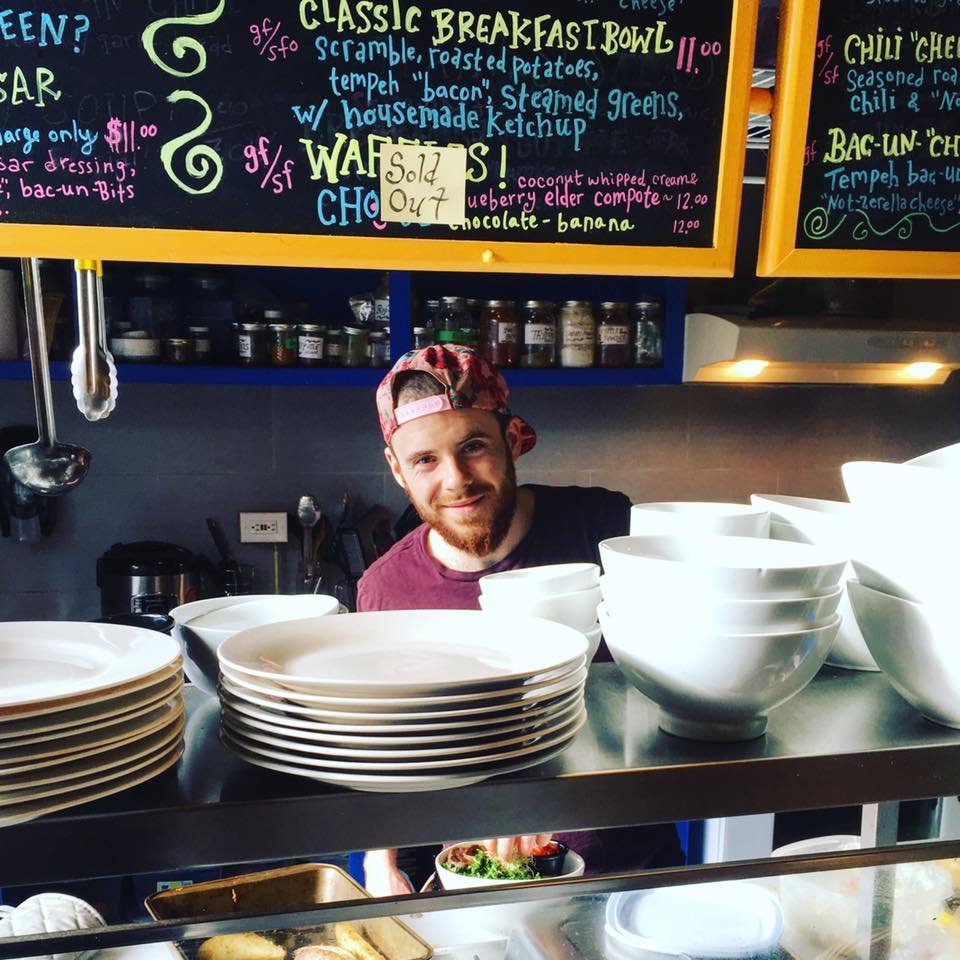
Following my time at The Wooden Monkey, I worked in several plant-based kitchens, including EnVie and Heartwood & Blue Apples.
Blue Apples was the first time I fully managed a kitchen, handling inventory, ordering, menu costing etc. The space combined a café upstairs with a holistic health clinic downstairs, offering acupuncture, herbal medicine, massage therapy, and more. I also got to work in the herb shop sometimes! I learned a lot about the inner workings of a management role, and certainly gained respect for all my previous bosses… Its no easy task.
Outdoor & Off-Grid Event Cooking
Envision Music Festival
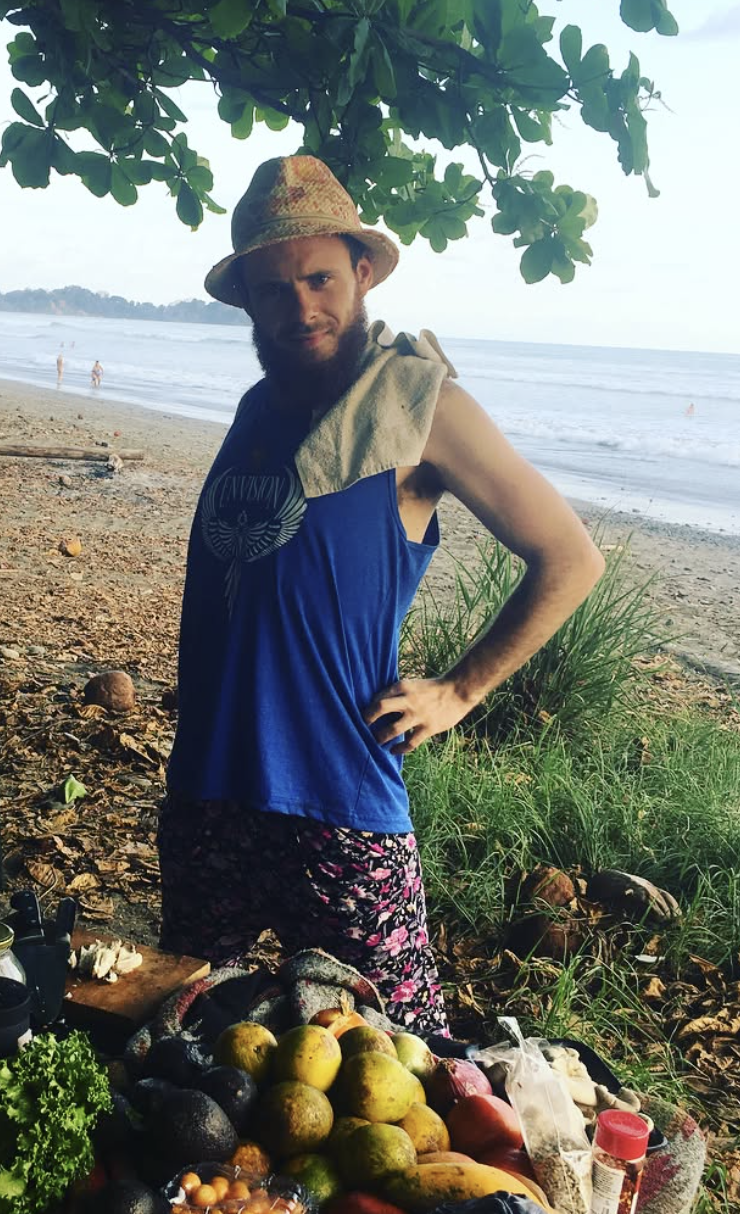
One of my most formative experiences was cooking at Envision Music Festival, where I cooked for musicians, volunteers, and staff over a three-week period in the jungle. Working with incredible local abundance, whole animals, fresh fruit harvested on-site, and massive volumes of produce, we served hundreds of people per meal during build-up, scaling to over 1000 people per meal during the festival itself.
I managed breakfast & lunch service and led a kitchen team of 15+ people, coordinating prep lists, overseeing service, and handing off to the head and sous chefs later in the day. It was intense, physical, and deeply rewarding work.
Tea Hive
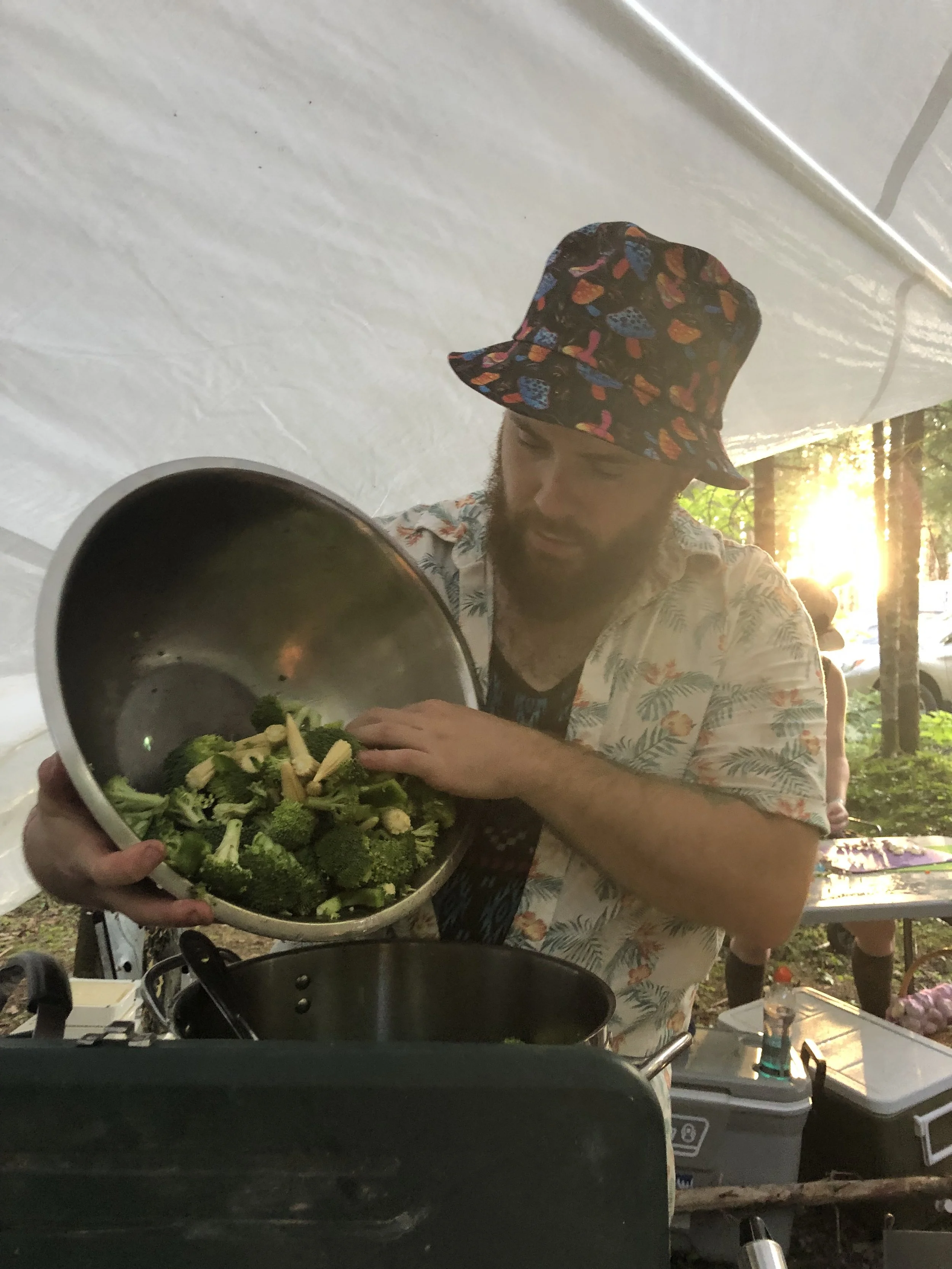
For three consecutive years, I served as the personal chef for The Tea Hive, a harm reduction collective working at music festivals. In this role, I cooked off-grid in forest settings, primarily solo, preparing meals for a team of approximately 40 people living and working on-site.
The focus was on caring for the caretakers. Providing grounding, nourishing food in demanding environments where long days and emotional labour were the norm. Cooking for The Tea Hive strengthened my ability to plan, execute, and sustain food service in challenging conditions, while centering food as an act of care.
Freelance & Entrepreneurship
Early Experiments in Local Food (2015)
In 2015, my roommate Sarah (then a student at NSCC Waterfront Campus) —was frustrated by the lack of fresh food options on campus and asked if I’d help her start a small farmers’ market. I said yes!
What began as a bi-weekly pop-up quickly became a weekly campus market. We worked with local farmers, bakers, and artisans, coordinated vendors, and sold fresh produce directly to students. Outside of market days, we hauled remaining produce around the city and sold it wherever we could. It was scrappy, hands-on, and deeply educational.
Muffin Man Enterprises
During this time, I launched my first solo food business: Muffin Man Enterprises. I produced health-focused baked goods, including gluten-free options, and sold them at our farmers market. I also began receiving requests to sell them wholesale to a few cafes. But this is when I hit a barrier: access to an affordable commercial kitchen. That early challenge (finding space to scale) planted one of the first seeds for the work I’m doing today.

Be The Roots Food Service
Seeing the potential to grow beyond baked goods, Sarah and I explored scaling the Farmers market itself. We purchased a small trailer and launched Be The Roots Food Service, focused on selling and distributing local produce to students, residents, and a handful of restaurants.
Very quickly, we ran into the realities of infrastructure: cold storage, centralized inventory, and the capital required to operate reliably at scale. To grow, we would have needed significant investment, refrigeration, storage, and systems we simply weren’t ready to build at that stage.
Shifting Scales Food & Wellness
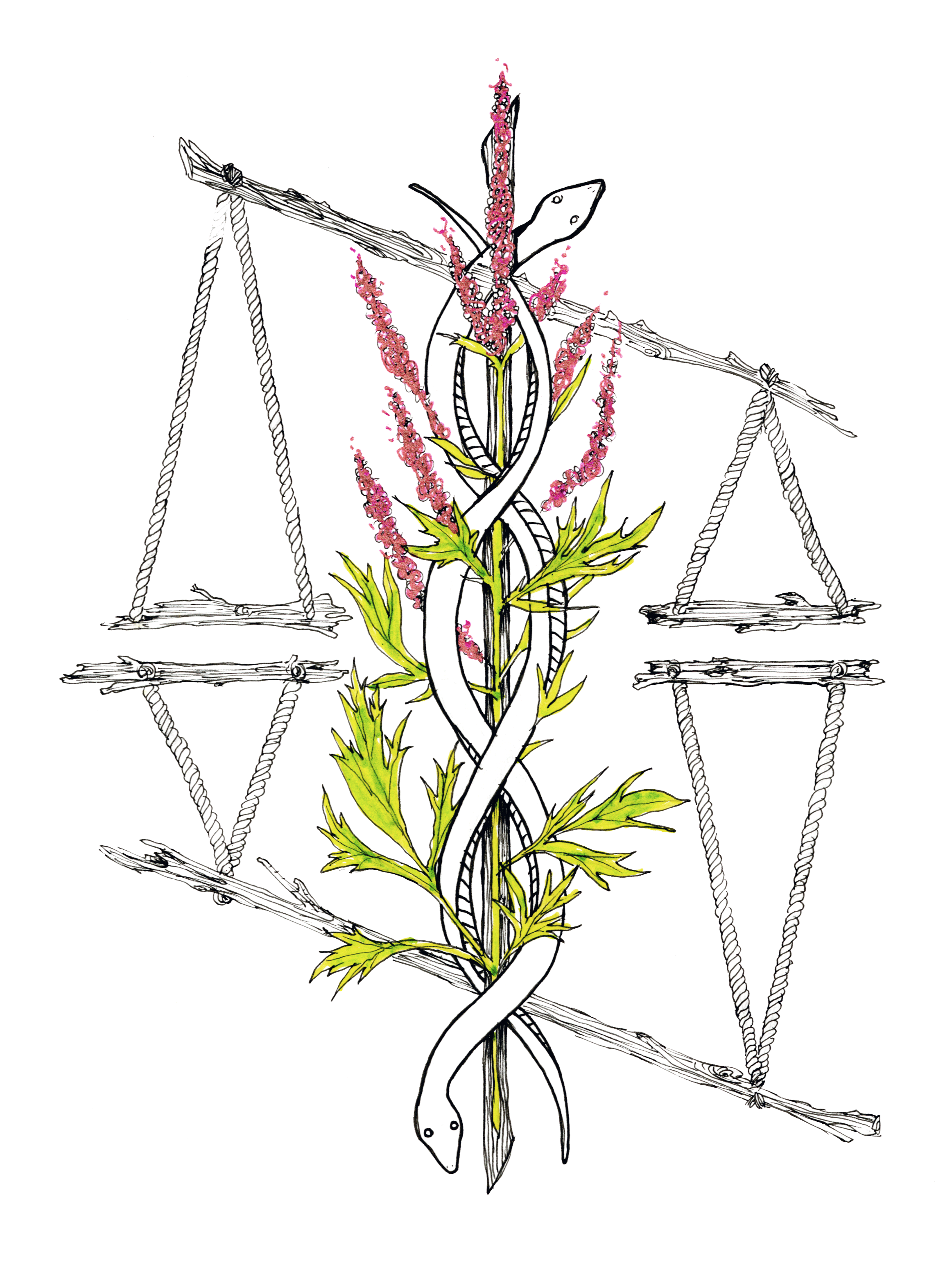
Recognizing that food distribution wasn’t the right next step, I pivoted again. This time toward education and wellness. After completing my diploma in Holistic Nutrition from the Canadian School of Natural Nutrition, I launched Shifting Scales, a food and wellness practice focused on nutrition coaching & food education.
Through this work, I facilitated cooking classes, worked one-on-one with clients, collaborated with community spaces, and began offering private chef services. Clients during this period included organizations like VIA Rail and university student groups.
Inner Light Kitchen
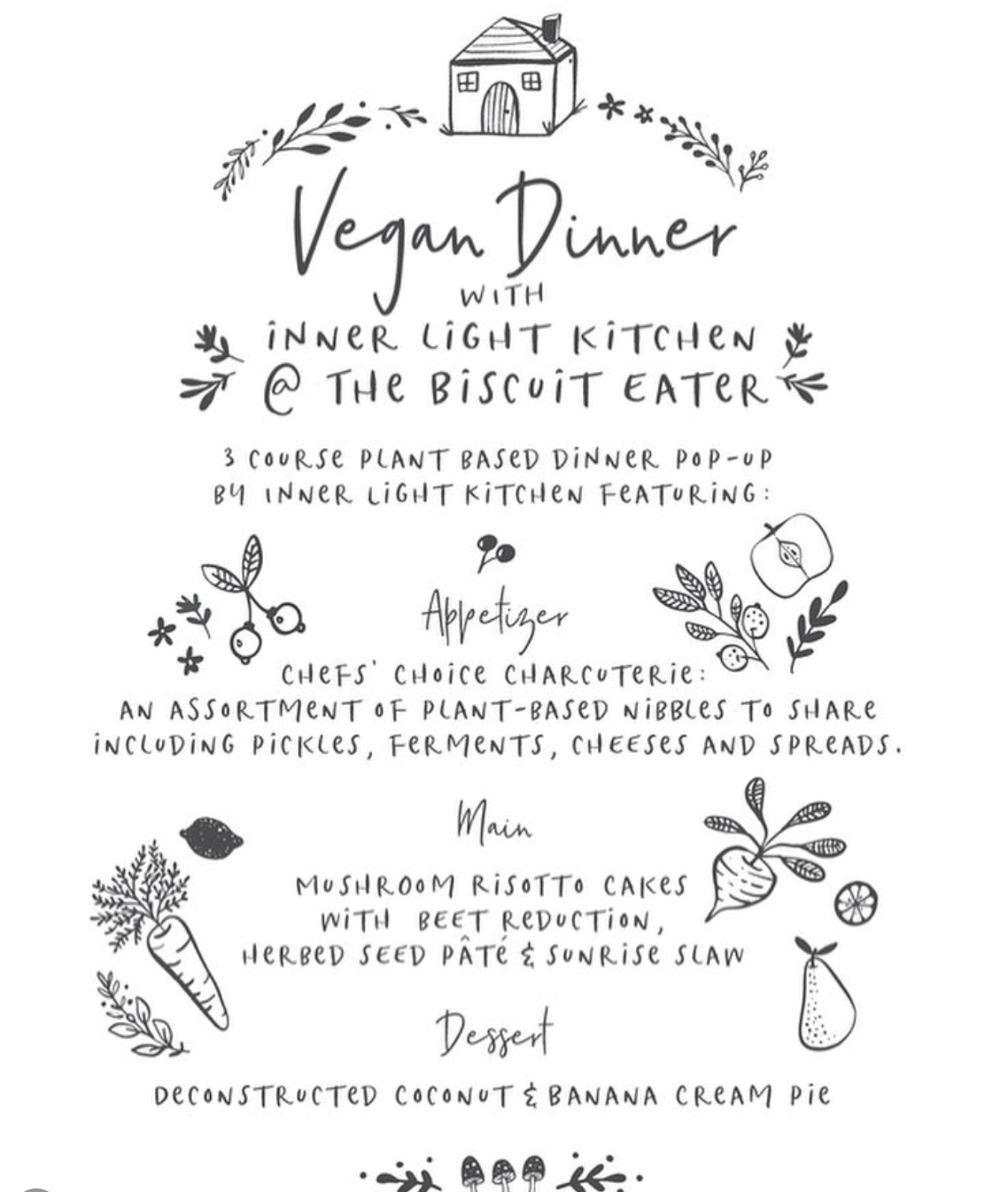
A major turning point came when I met Coco, a chef and collaborator whose values and creative energy aligned deeply with mine. Together, we founded Inner Light Kitchen, a collaborative food venture centered on education, catering, and community events.
We hosted cooking classes, catered retreats, and cooked for gatherings such as the Tiny House Building Retreat and the Sea Light Star Light Festival at the Deanery Project. We also hosted pop-up dinners and restaurant takeovers across Nova Scotia.
Dreaming Bigger — and Hitting the Same Wall
While building Inner Light Kitchen, we explored creating a permanent commercial kitchen and education space. We completed Steps to Startup, a business bootcamp delivered by the Social Enterprise Network of Nova Scotia and Common Good Solutions, and worked through what it would take to build a shared food facility.
Once again, the numbers told a familiar story: meaningful scale required major capital investment. The idea was right — but the timing wasn’t.
Food Web (my current work)
Food Web emerged as a direct response to that lived experience. A way to address the infrastructure gaps I’d encountered again and again, not just for myself, but for countless others navigating the food system.
Food Web represents the most complete expression of the questions I’ve been asking since my very first market table. Food Web is an online platform to make accessing kitchen rentals easier then ever before. Think ‘Airbnb for Kitchens.” It allows cafes, churches, community centres etc. to share their space without the admin burden of handing rentals themselves. Learn More Here
Farming
Abundant Acres Farm (2015)
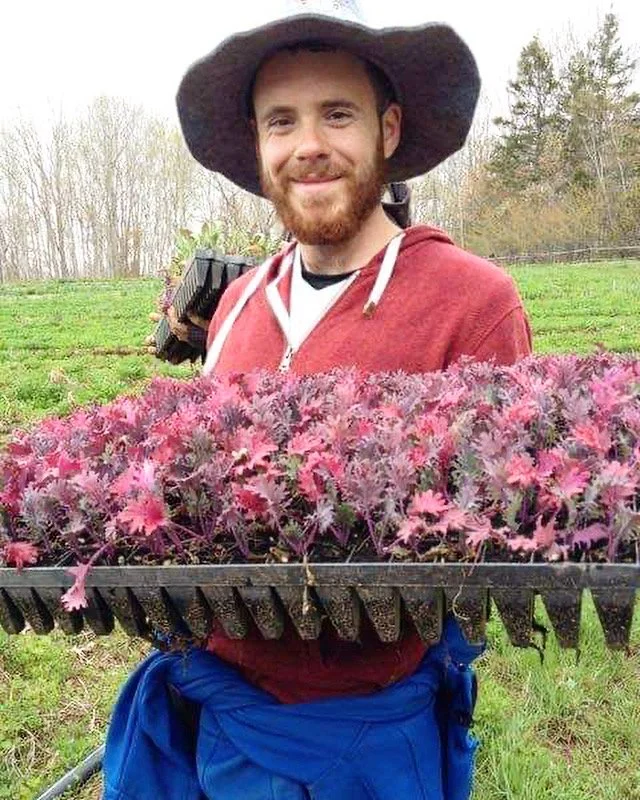
In 2015 I stepped away from restaurant work and spent time farming at Abundant Acres Farm in Nova Scotia. I had met one of the owners, David, earlier that year, as they grew veggies for a restaurant I was working at.
I worked on the farm three days a week, planting, harvesting, and learning the pace of small-scale agriculture. Those days really showed me how much effort and love goes into growing food.
Farmers’ Market Work
Alongside field work, I also helped sell produce at the Seaport Farmers’ Market. Within my first few weeks, I helped the farm break its record for highest single-day market sales, something that felt surprisingly natural to me. Talking with people about food, helping them choose produce, and sharing how it was grown connected the farm directly to the community.
Transition St. Margaret’s Bay Apprenticeship
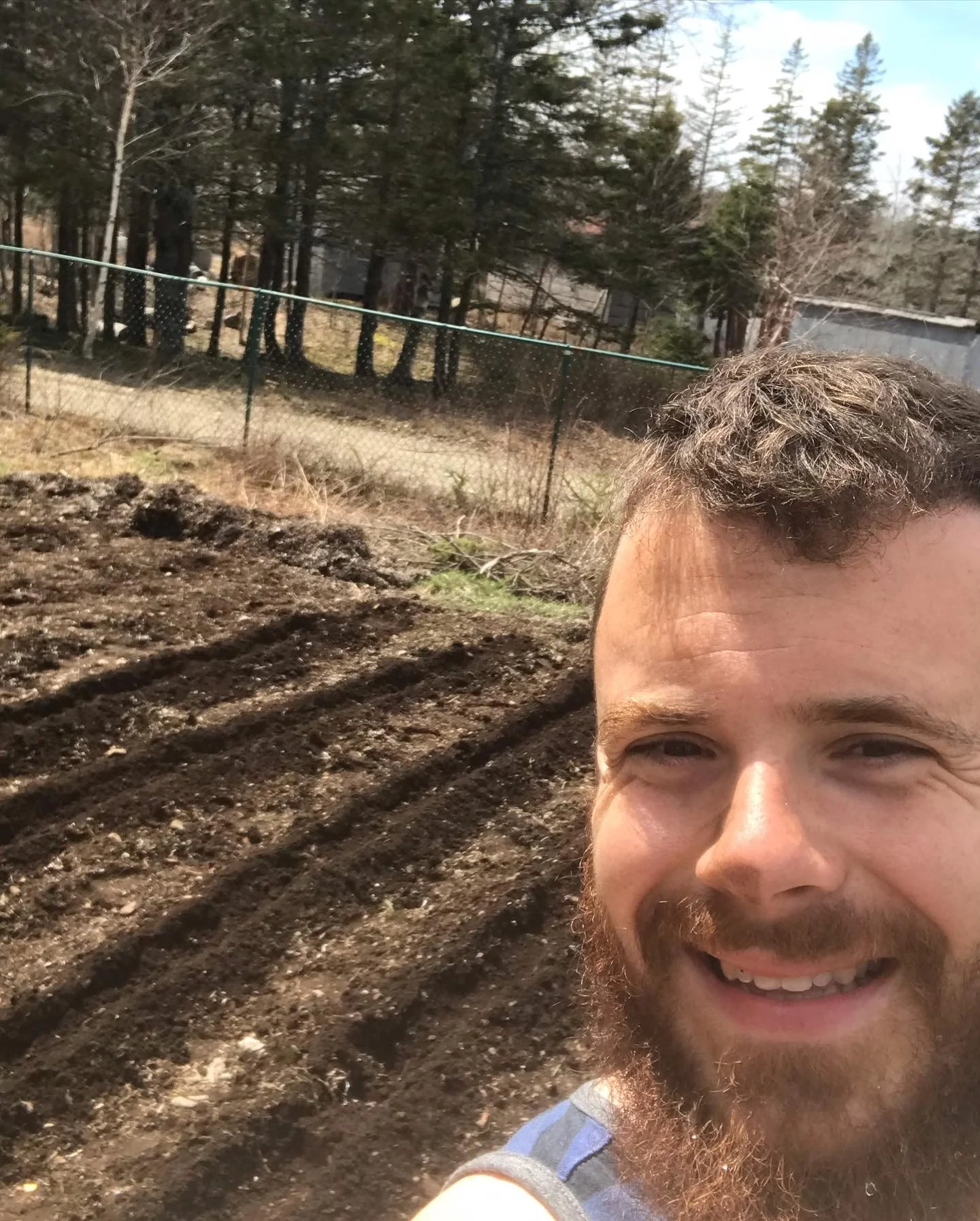
Following my time at Abundant Acres, I completed an apprenticeship with Transition St. Margaret’s Bay, working closely with Robert Cervelli. The program was structured as a hands-on homestead apprenticeship, rooted in ecological food production and community resilience.
I spent time each week supporting a wide range of work: planting and harvesting, greenhouse growing for community gardens, building beds and trellises, tending grapevines, seed saving, food preservation and fermentation, and learning about beekeeping. It was an immersive, holistic education in food systems at the household and community scale.
Elm Ridge Farm & Research Work (2020)
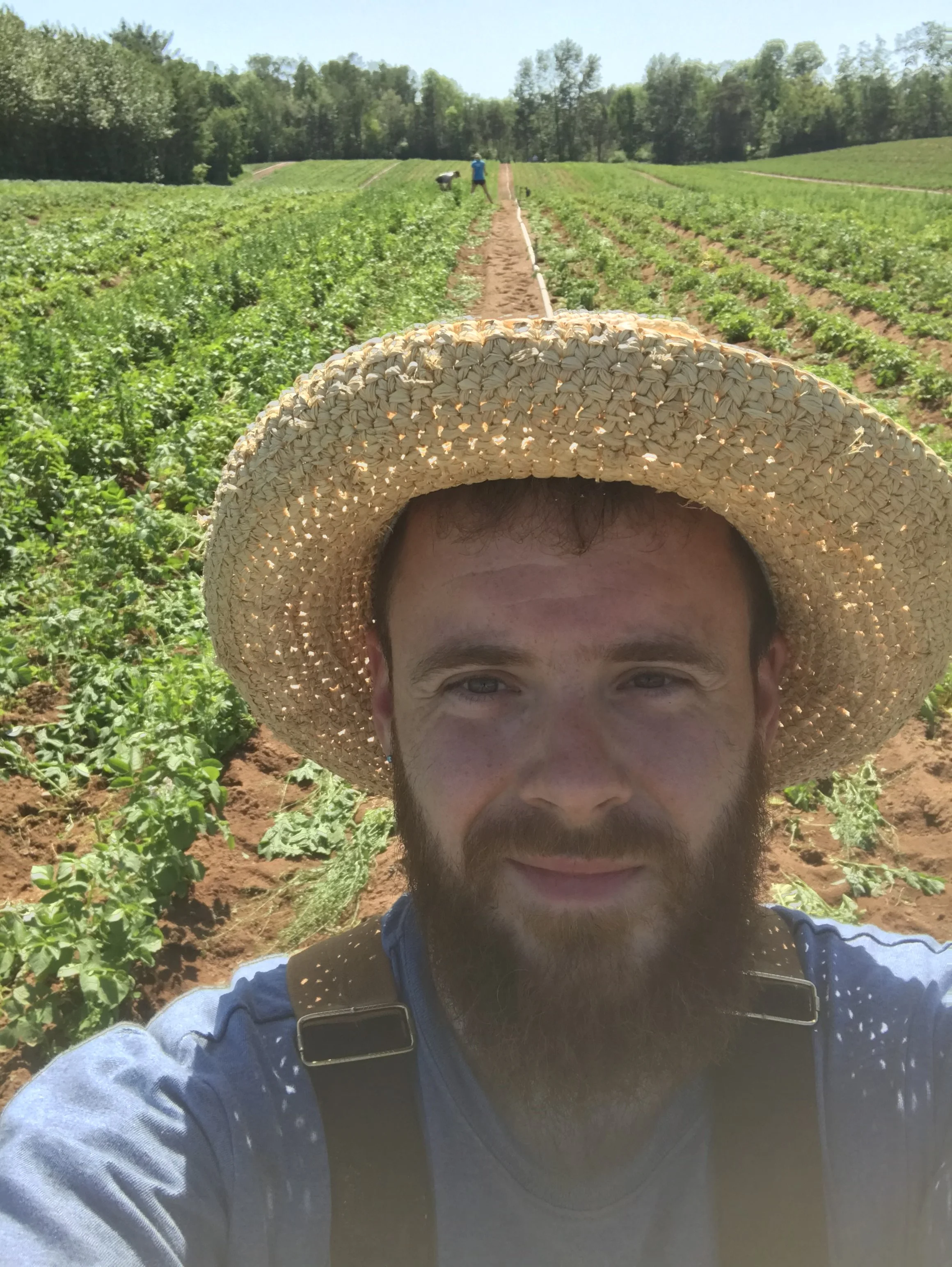
In the summer of 2020, during the first year of the COVID-19 pandemic, I spent significant time at Elm Ridge Farm as part of my work as a research assistant with Dalhousie University. While the research itself is detailed further in my Research & Consulting section, the work involved regular, on-the-ground engagement with farm operations.
That summer deepened my understanding of the realities farmers face (particularly during moments of systemic disruption) and further connected my academic work to lived experience on the land.
Teaching & Facilitation
Finding Food Education
After completing culinary school, I knew teaching, not restaurant work alone, was where I wanted to focus. Even before my full stint as a line cook, I remember being asked in a career coaching session what I wanted long-term. The answer came easily: teaching through food.
When I moved back to Nova Scotia, my first food-focused teaching opportunity came through the To the Root workshop series hosted by The Loaded Ladle, where I facilitated a fermentation workshop. It was well received, and it opened the door to more freelance food education work.
Community Workshops & Public Education
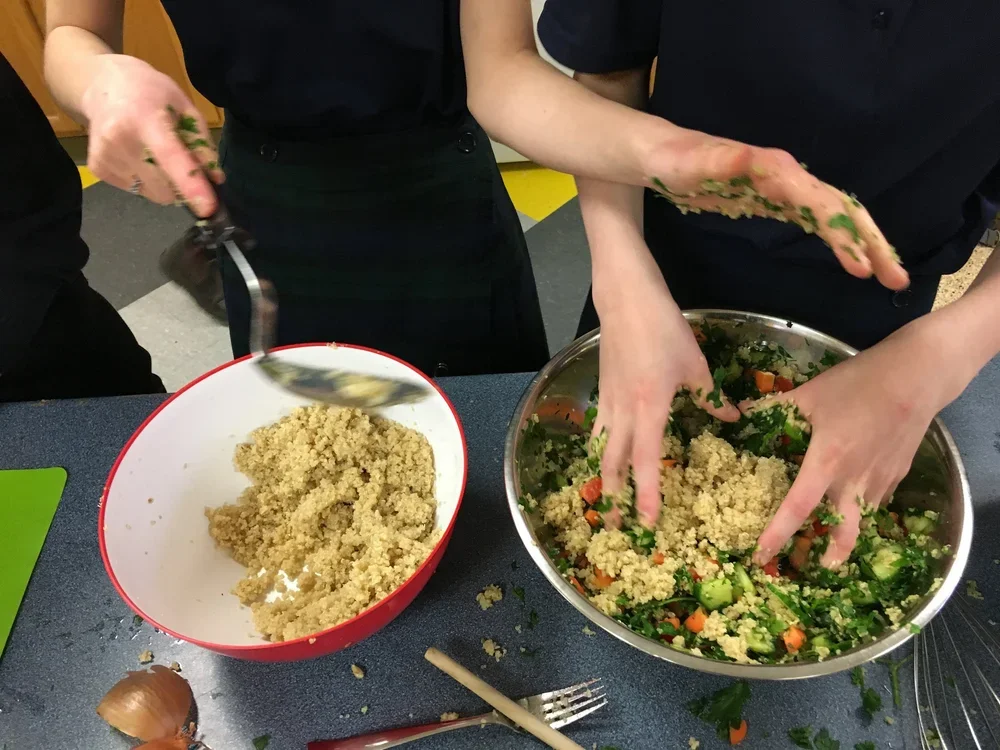
From there, I began hosting and facilitating cooking classes and workshops across a range of settings. This included work with the Mount Saint Vincent University Students' Union, the Canadian School of Natural Nutrition Alumni Association, Sacred Heart School of Halifax, and Found Forgotten Food.
Alongside these partnerships, I also hosted independent workshops by renting community spaces and inviting the public in.
Teaching Beyond the Kitchen
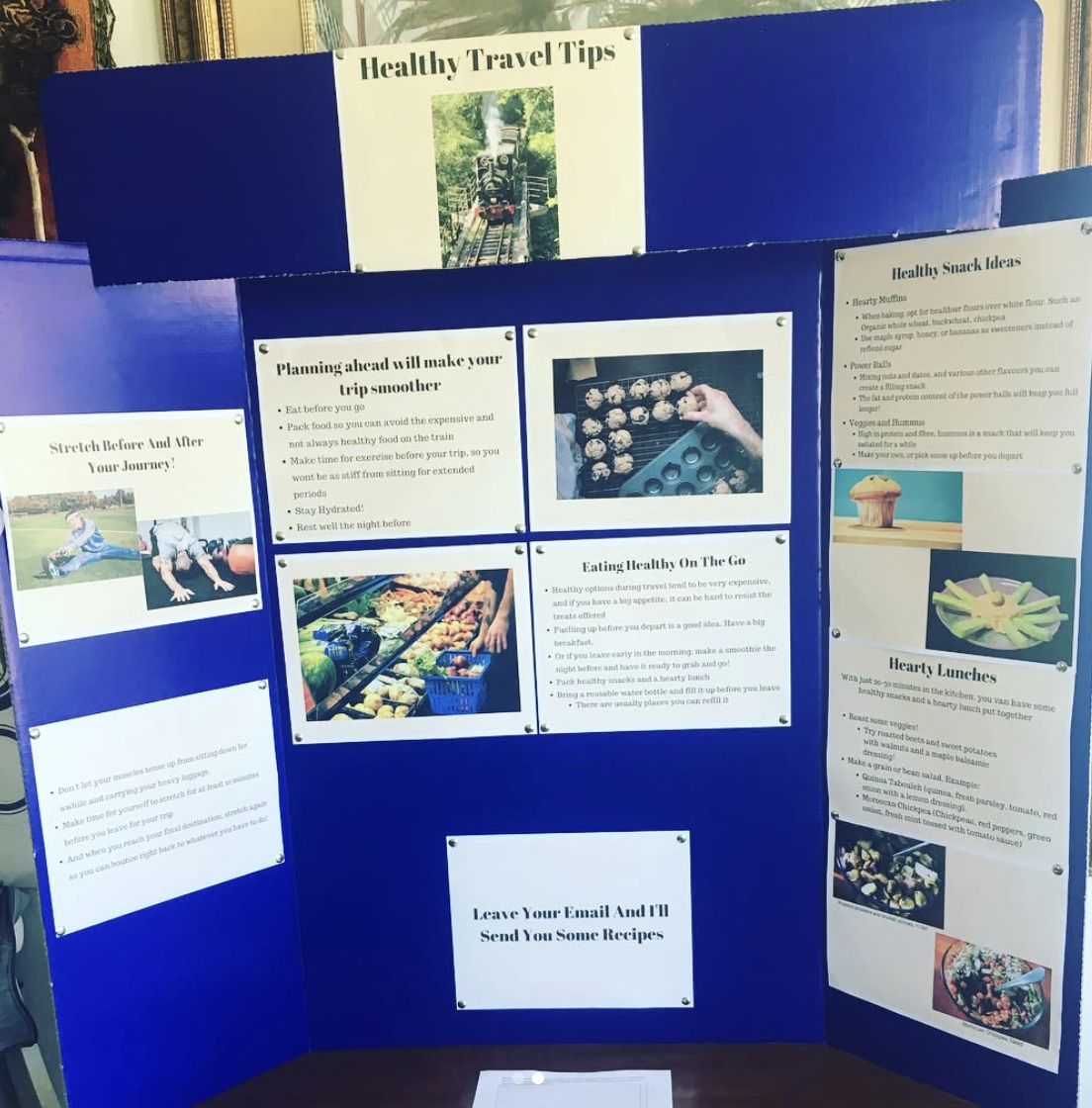
Some teaching opportunities stepped beyond traditional cooking classes. VIA Rail contracted me to deliver food and nutrition education at a health and wellness trade event in Halifax, where I shared practical strategies for eating well while traveling, from recipe planning to realistic food choices on the road.
These kinds of sessions helped me translate food knowledge into everyday contexts, meeting people where they actually are.
Live Cooking Demos
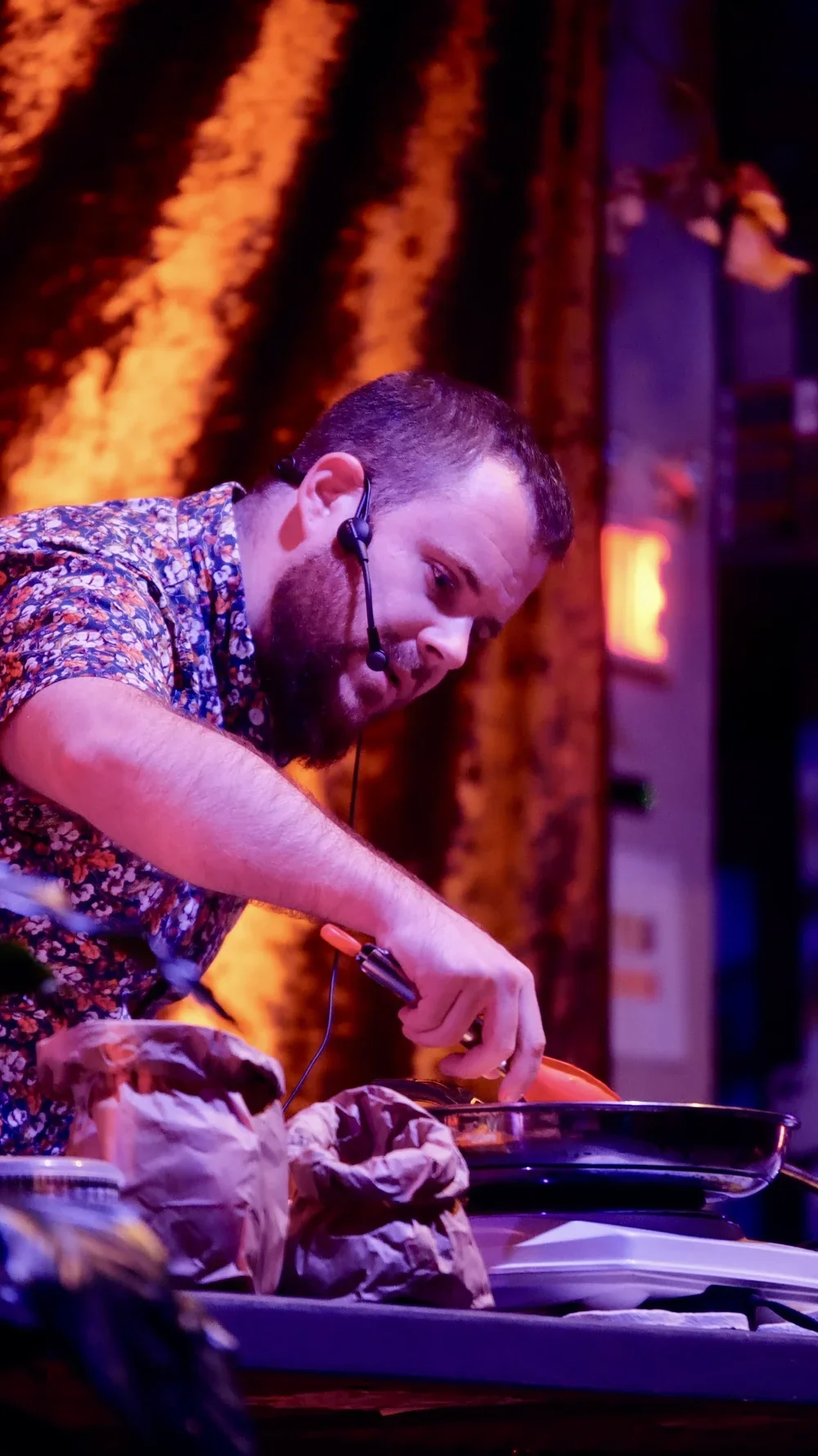
In 2024, I had the opportunity to deliver a live cooking demonstration at the Montreal Mushroom Festival, a two-day festival exploring mushrooms through health, culture, and environmental sustainability.
I cooked multiple mushroom preparations on stage, explaining technique, flavour combinations, and maximizing the best possible textures.
This was one of the most fun things I’ve ever done, and hope to get to do a lot more of this live style cooking demonstrations.
Returning to the Classroom
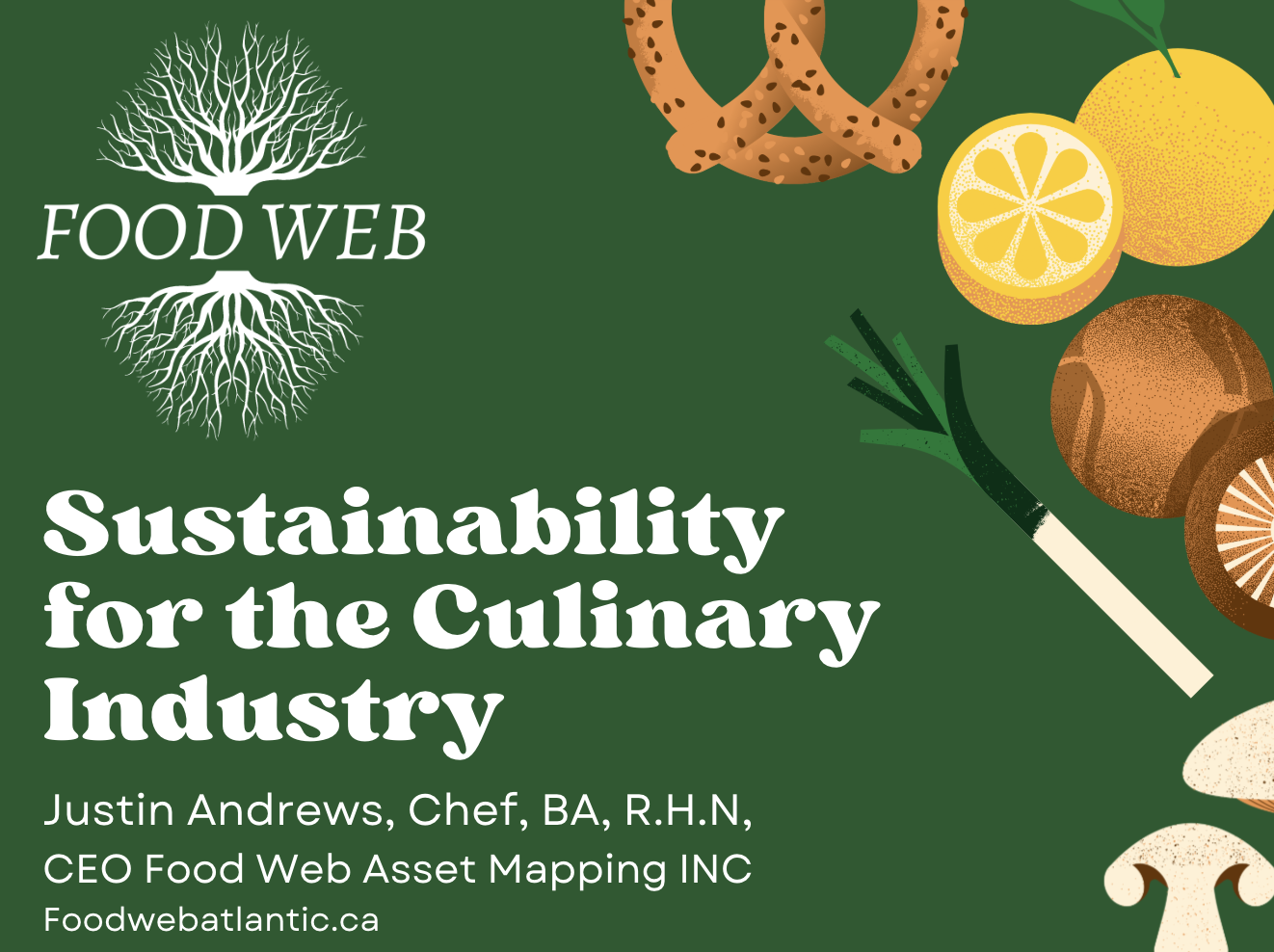
More recently, I was invited back to St. Lawrence College (where I trained as a Chef) to guest lecture with upper-year culinary students. The focus was sustainability in the food system, bringing together social, environmental, and economic perspectives.
It felt like a full-circle moment: returning to the classroom where I learned to cook, now introducing future chefs to the broader systems they operate within, and the agency they have to influence them.
Teaching Assistant & Academic Facilitation
While completing my undergraduate degree at Dalhousie University, I worked for four years as a teaching assistant across multiple courses, including:
Sustainability Leadership Certificate Program
SUST 1001 – Introduction to Sustainability
SUST 2000 – Local Governance, Citizen Engagement & Sustainability
SUST 3104 – Sustainability & the Non-Profit Sector
SUST 3108 – Green Finance & ESG Investment
These roles went beyond grading. I facilitated tutorials, supported curriculum delivery, guided student discussions, and helped bring structure and clarity to complex topics. Teaching in academic settings strengthened my facilitation skills and deepened my appreciation for intentional course design.
Mentoring Capstone Students
For the past two years, I’ve also served as a workplace mentor for sustainability capstone students, overseeing teams of interns working on applied, real-world projects. In this role, I supported students in translating theory into practice, helping them scope projects, navigate ambiguity, and work collaboratively.
Mentoring has become one of the most rewarding parts of my teaching work: supporting emerging practitioners as they find their footing and confidence.
Non-Profit & Community Projects
Board Leadership — The Loaded Ladle

After facilitating cooking workshops with the organization, I applied to join their Board of Directors and was accepted. I served two separate terms on the board — one year, a pause while school intensified, and then a second full term.
The Loaded Ladle provides free lunches to students four days a week, funded through student union fees. While the day-to-day kitchen operations are run by a small team of paid staff, the board is responsible for governance, oversight, and long-term planning. During my time on the board, I gained hands-on experience in nonprofit governance across food service operations, volunteer coordination, and financial and organizational decision-making.
Beyond daily meal service, the organization hosts monthly Lunch & Learn events, bringing students together around food justice topics such as migrant farmworker rights, food insecurity, and local food systems. The kitchen is also deeply volunteer-driven, welcoming students — including many international students — to contribute and share dishes from their own cultural traditions. These meals were often joyful, communal, and deeply meaningful.
The Loaded Ladle also engages in community care through Solidarity Servings, providing food and warm drinks at protests and demonstrations to support activists on the ground. Being part of an organization that sees food as both nourishment and political care had a lasting impact on how I approach community work.
During my board tenure, I was closely involved in job creation and HR processes, including designing summer positions funded through the Canada Summer Jobs program, sitting on hiring committees, conducting interviews, and supporting staff oversight. I also gained experience in nonprofit policy development, bylaws, and sensitive HR processes, including navigating the termination of a staff contract in alignment with organizational policy and labour considerations.
Alongside governance work, I continued to facilitate six or more cooking workshops through The Loaded Ladle — from affordable student meals to more playful, skill-building classes like homemade veggie burgers and scratch-made barbecue sauce using local apples. It was a deeply formative experience in collective food work.
Community Garden Development
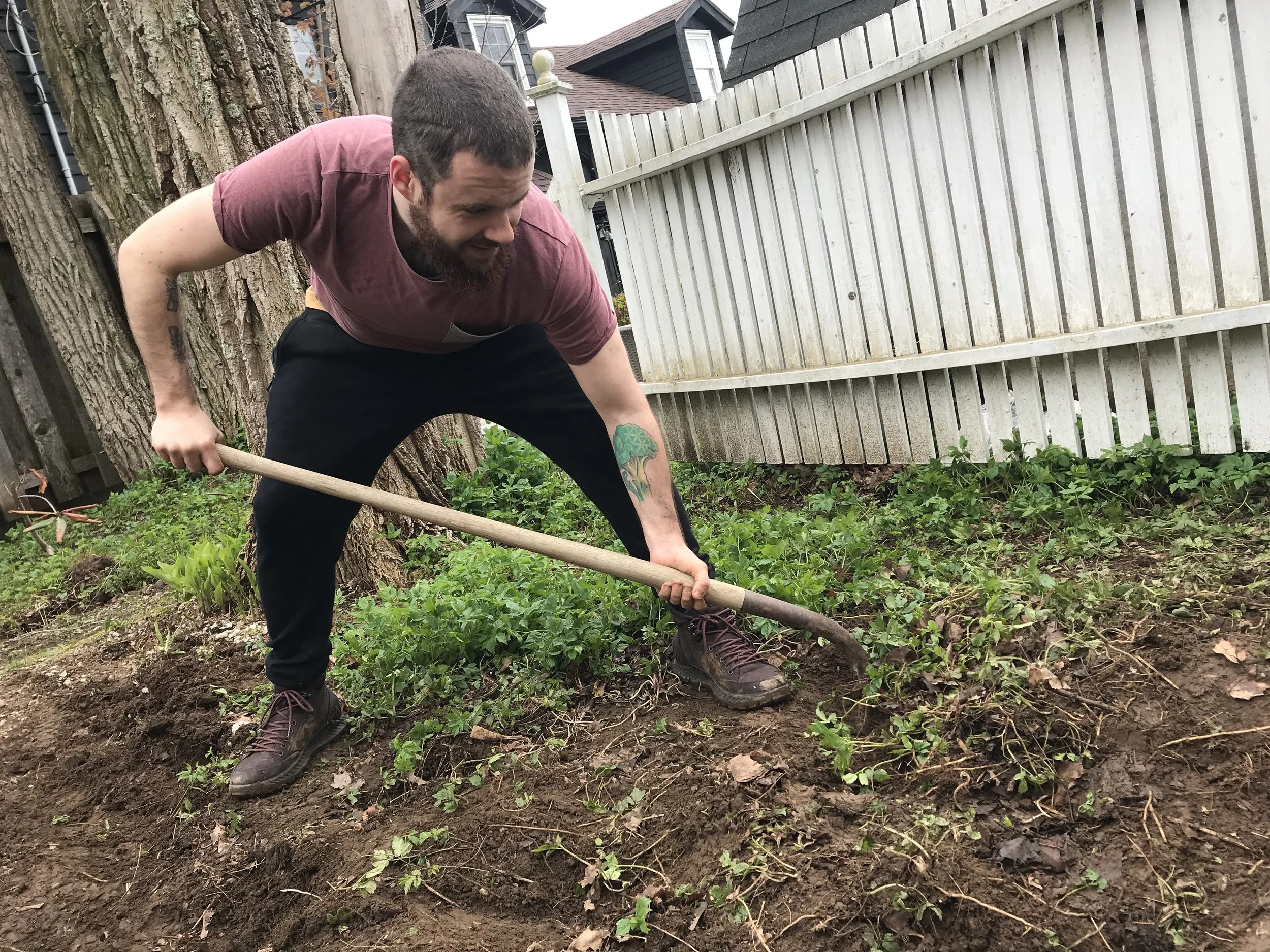
Through the United Nations Association in Canada’s Green Spaces Program, I was hired to oversee the creation of a new community garden in Mahone Bay, Nova Scotia. The project involved transforming the entire backyard of a community space (formerly The Biscuit Eater) into a functional, welcoming garden from the ground up.
This work blended physical labour and community coordination. We removed grass, built garden beds, brought in soil and compost, planted perennials and vegetables, and designed the layout for long-term use. Alongside this, I coordinated a donation campaign, securing contributions of soil, compost, plants, and fruit trees from local partners. Community engagement was central to the project. Over the summer, we hosted shared meals, skill-building workshops (including building cold frames), and invited guest speakers to contribute knowledge and energy. The project became as much about relationship-building as it was about growing food, and gave me valuable experience in launching and stewarding a community-led initiative from scratch.
Internship with Farmers’ Markets of Nova Scotia
While completing my degree at Dalhousie, I completed an internship with Farmers’ Markets of Nova Scotia, the provincial association representing market managers across the province. My role focused on understanding barriers to growing the local food economy, work that would later become foundational to Food Web.
I conducted over 20 in-depth interviews with farmers’ market managers from across Nova Scotia, gathering insights into challenges related to infrastructure, regulation, staffing, and access to shared resources. In addition, I helped organize two public consultations bringing together participants from academia, local food nonprofits, farmers, entrepreneurs, and market leadership. The goal was not just research, but collective sense-making: understanding where friction exists and what practical interventions could help. Through this work, I became increasingly aware of how often food system challenges are treated as “new,” when in reality they are deeply structural and recurring.
This internship is where the core idea for Food Web began to crystallize. I took these insights forward into Dalhousie’s Lab2Market program, pitching the concept and refining it into a scalable solution. That moment marked a turning point, shifting from observing food system barriers to actively building tools to address them.
Research & Consulting
Program Advisory Committee — St. Lawrence College

Hospitality, Tourism & Culinary Programs (2023–Present)
Since 2023, I’ve served on the Program Advisory Committee for St. Lawrence College’s Hospitality, Tourism, and Culinary programs. A few times each year, I join industry leaders from across the food and hospitality landscape (restaurants, catering companies, hotels, institutional food service, and senior care) to help guide how the program evolves.
My role brings a wider food systems perspective into the room. Together, we look at emerging trends, changing realities of the industry, and the skills students actually need to be job-ready when they graduate. These conversations focus on identifying gaps, strengthening practical training, and ensuring students are prepared not just to work in kitchens, but to navigate the broader food and hospitality ecosystem with confidence.
Consulting Project — Eco-Logic (Ghana)
Agricultural Supply Chains & Systems Strategy
During my Master’s in Management, Innovation & Entrepreneurship at Smith School of Business, I worked on a consulting project with Eco-Logic, an agricultural supply chain and equipment company operating in Ghana. Eco-Logic supplies farmers with essential equipment and parts but was facing persistent challenges.
The core issue wasn’t demand, but coordination. Orders were often placed too late in the season to allow for manufacturing, shipping, and customs clearance, resulting in missed planting windows and frustrated farmers. Through interviews and systems mapping, our team identified that Eco-Logic’s supply chain decisions were largely shaped by intermediaries, without enough direct insight into farmers’ planning cycles.
Our recommendation shifted the strategy upstream: engaging directly with end-user farmers to better understand how and when they plan equipment needs throughout the year. By aligning ordering timelines with farmers’ decision-making rhythms, Eco-Logic could place manufacturing orders earlier, reduce seasonal bottlenecks, and improve supply reliability. The company implemented elements of this outreach approach, gaining clearer visibility into demand and strengthening the overall efficiency of their supply chain.
Curriculum Review & Consulting — Dalhousie University, College of Sustainability
RBC Sustainability Leadership Certificate
I worked as a consultant with Dalhousie University’s College of Sustainability on a comprehensive curriculum review of the RBC Sustainability Leadership Certificate (a program I had previously completed as a student and supported as a teaching assistant for two years). Approaching its ten-year anniversary, the program was ready for a thoughtful refresh.
At the same time, the university was rolling out a broader initiative to align courses and certificates with formal micro-credentials. The goal was to better translate learning into clearly articulated, job-relevant skills that students could communicate to employers, moving beyond broad sustainability theory toward applied competencies. My role involved reviewing the full curriculum and identifying opportunities to strengthen alignment with the micro-credential framework. This included clarifying learning outcomes, surfacing transferable skills, and recommending adjustments that would better support students in articulating what they can do, not just what they know. The result was a set of practical recommendations to help modernize the program while preserving its core values and impact.
Capstone Consulting Project — The Deanery Project
Urban Forestry Waste, Circular Economy & Municipal Strategy
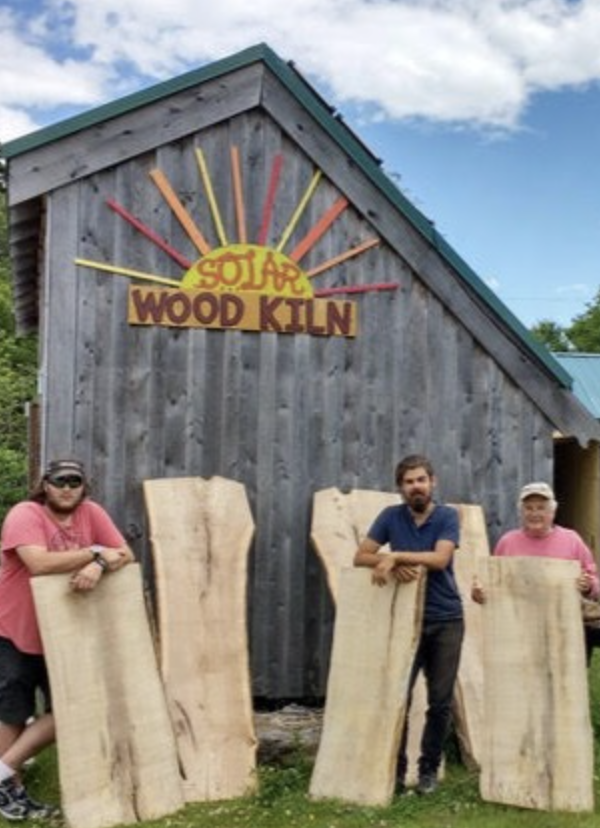
As part of my sustainability capstone at Dalhousie, I worked with a team of students on a consulting project for The Deanery Project (a Nova Scotia-based non-profit focused on environmental education and practical climate solutions). Our task was to review Halifax’s municipal urban forestry program, with a specific focus on what happens to “urban wood waste” when trees come down, whether from storms (a common reality in a coastal city) or from planned removals tied to development.
The heart of the project came from a powerful local case study. During an expansion at Dalhousie, several mature trees were cut down. And instead of being treated as waste, The Deanery Project reclaimed the logs, milled them into lumber, dried them in their solar kiln, and crafted benches that were returned to the university. The benches lived in the same building area where the trees once stood, a simple but meaningful way of honouring the life of those trees. It also raised a bigger question: what would it look like if this wasn’t a one-off story, but a city-wide approach?
In our research, we traced the city’s current process end-to-end — how downed trees are collected, where they go, and how they’re ultimately processed. What we found was a system optimized for speed and volume: most urban trees are treated as inputs for a large-scale woodchipping process. Halifax periodically brings in industrial chipping equipment (often from out of province), processes huge batches of tree material, and the resulting woodchips are used for municipal landscaping and other applications. From an efficiency standpoint, it works. But it also revealed a missed opportunity: some urban trees are exceptional, and in many cases, they can be among the oldest trees in the region. While much of old growth has been lost through forestry and land-use change, cities sometimes still hold living giants, and when those trees come down, their stories disappear into a chip pile.
Our team developed a framework for an alternative pathway: a municipal urban wood recovery strategy that could identify high-value logs, divert them from chipping, and route them into a system for milling, drying, and inventory. We explored a model where salvaged lumber could be tracked and “story-marked” — including the concept of a scannable QR code attached to finished wood products so the history of each tree (where it stood, why it came down, what it became) could be preserved. The broader vision was a circular approach that supports local craftspeople and carpenters, creates civic artifacts (benches, signage, public furniture), and turns loss into something meaningful and locally made. Shortly after we completed the work, Halifax initiated public engagement around urban forestry. We reached out to the municipality to share our research and offer a conversation, and despite multiple attempts, we never heard back. That part was disappointing. But the project itself was deeply formative: it strengthened my skills in stakeholder mapping, resource flow analysis, systems thinking, and designing practical policy pathways that bridge ecology, infrastructure, and community.
Research Assistant — Dalhousie University
(Department of Social Anthropology)
Project Lead: Dr. Elizabeth Fitting
Temporary Foreign Worker Program & Migrant Farm Labour (2020)
In 2020, I worked as a research assistant on a social anthropology project led by Dr. Elizabeth Fitting, whose work focuses on food activism, migrant farm labour, and agricultural systems in the Global South. The project examined Canada’s Temporary Foreign Worker Program, which brings more than 100,000 migrant farm workers to Canada each year, primarily from Jamaica and Mexico, to meet seasonal agricultural labour needs.
The research took an ethnographic approach, aiming to understand the program not just through policy or economics, but through lived experience. Dr. Fitting’s broader work includes time spent with workers both in Canada and in their home countries, exploring the full arc of migration, labour, and livelihood across seasons and borders. The project also grappled with the tensions inherent in the program — its economic importance to Canadian agriculture, alongside ongoing concerns about housing conditions, access to health care, eligibility for employment benefits, mobility, and worker protections.
My role centered on participant observation and fieldwork. During the first summer of the COVID-19 pandemic, travel restrictions meant the research shifted from a multi-site design to focused, on-the-ground engagement at a single location. I spent much of the summer working alongside migrant farm workers at Elm Ridge Farm in Nova Scotia, participating directly in daily farm labour while observing work rhythms, skill, care practices, and social dynamics.
Elm Ridge Farm offered an example of what respectful, well-managed migrant labour can look like — a contrast to many of the troubling accounts documented elsewhere. What stood out most to me was the level of skill and experience among the workers. Many returned to the same farm year after year, bringing deep technical knowledge and efficiency that challenged the common perception of farm labour as low-skill or easily replaceable. Workers shared techniques to reduce strain, increase efficiency, and protect the body over long days — knowledge that only comes from experience.
Working in the fields during peak summer heat underscored how physically demanding and specialized this labour truly is. It also highlighted how deeply undervalued farming work remains, despite its essential role in feeding communities. The experience reshaped my understanding of global food systems, labour mobility, and the human infrastructure that underpins agriculture — while grounding that understanding in firsthand, physical work.
This project offered a rare inside view of global agricultural labour flows, not from a distance, but from the soil up.
Independent Study — Dalhousie University (2019)
Universities as Anchor Institutions in Food Systems Transformation
Supervisor: Dr. Elizabeth Fitting
In 2019, I completed an independent study at Dalhousie University under the supervision of Dr. Elizabeth Fitting. Independent studies at Dalhousie are designed as co-created learning experiences, where students work one-on-one with a professor to design a focused curriculum around a specific question or area of inquiry. For me, that question was simple but expansive: what role can universities play in transforming food systems?
I was inspired by Concordia University’s campus food program and the formation of the Concordia Food Coalition, which operates as a coordinating body across food-related initiatives on campus. As a new student at Dalhousie, I began looking for a similar structure — and quickly realized that while many food-related activities existed, there was no central map, umbrella, or shared strategy tying them together.
The core of my independent study became a comprehensive food systems mapping of Dalhousie University. This included documenting student groups, clubs, activist organizations, campus gardens, student-run food initiatives, and farmers’ markets. I also mapped faculty and research activity related to food across departments — from health and nutrition to social science, sustainability, and food science — identifying where food expertise lived across the institution.
On the academic side, I audited Dalhousie’s course calendar to catalog every food-related course across disciplines, creating a foundation for future interdisciplinary food certificates or pathways. I also examined the university’s food service contracts and procurement relationships, situating campus food within larger corporate and institutional systems. Alongside this, I traced historical food movements within universities and researched examples across North America where post-secondary institutions acted as anchor institutions — leveraging their purchasing power, research capacity, and convening role to support local and regional food systems.
The project culminated in a major paper titled “Universities as Anchor Institutions in Food Systems Transformation,” which brought together ecosystem mapping, institutional analysis, and case study research to explore how universities can move beyond isolated initiatives toward coordinated, systems-level change.
Looking back, this project laid important groundwork for much of my later work. It sharpened my interest in infrastructure, coordination, and the hidden systems that shape how food moves through institutions — questions that continue to guide my work today.